
In brief
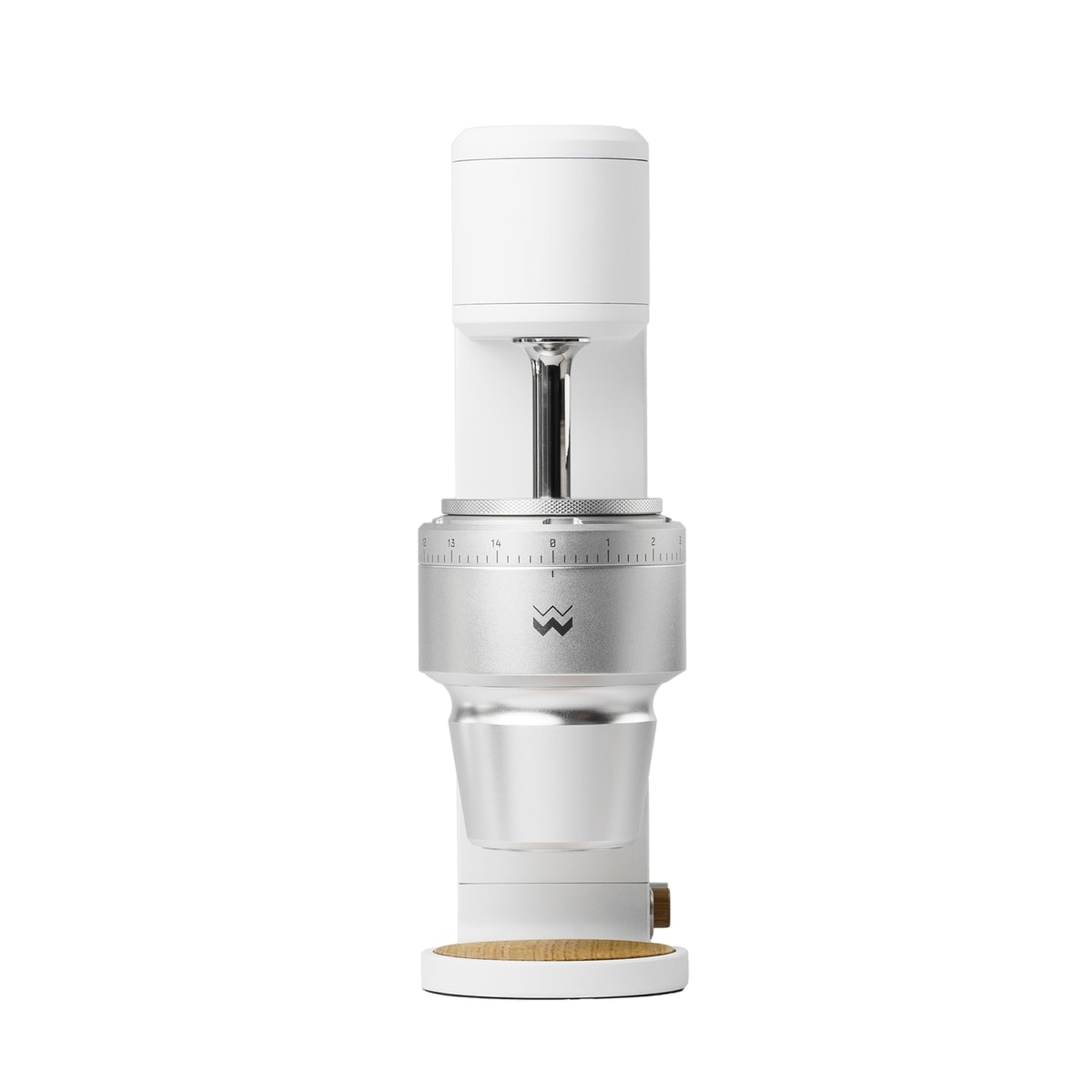
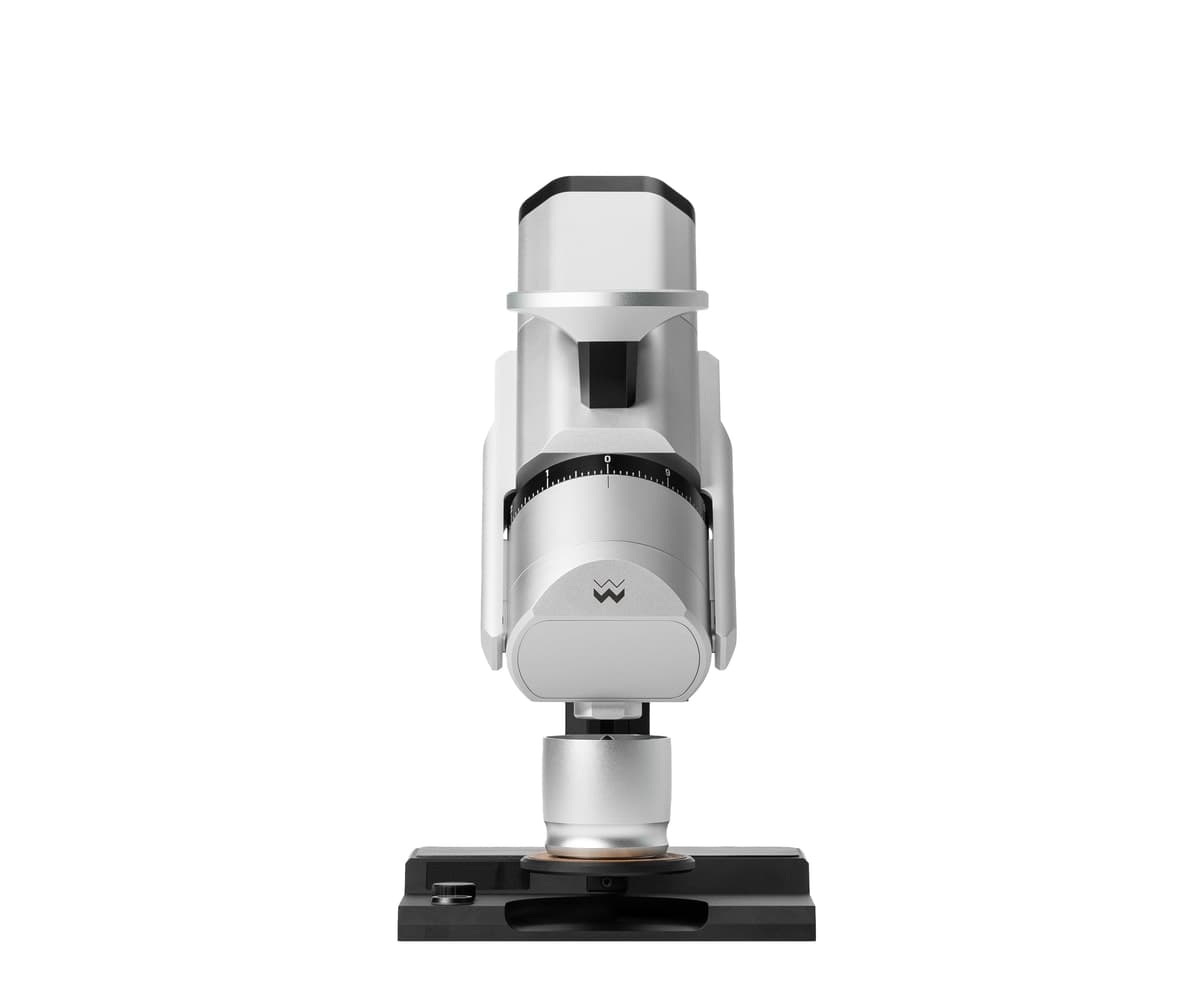
The Key is Weber Workshops' compact electric single-dose grinder. It fits 83 mm conical burrs, sourced from Mazzer, into a body Weber says is only as wide as the burrs and their mount. The current version is the Mk.2.
It is aimed at home espresso drinkers who weigh each dose and want almost nothing left behind in the grinder. Weber's Magic Tumbler catches the grounds, and Weber claims retention well below 0.1 g.
The trade-off is speed and, for some, taste. German retailer Kaffeemacher praised its build, noise and retention. But it found the Key slow, and its espresso disappointing beside a far cheaper grinder.
What it does well
- Very low retention: Kaffeemacher measured 0.2 g, Weber claims under 0.1 g
- Kaffeemacher found it the quietest espresso grinder it had measured, at 67 dB
- Narrow footprint for 83 mm burrs, per Weber
- Build quality Kaffeemacher expects to last decades
Where it falls short
- Very slow; Kaffeemacher calls it one of the slowest grinders on the market
- Kaffeemacher got lower extraction and less sweet, "unharmonious" espresso than from a Eureka Specialità
- Expensive, and listed as out of stock on Weber's page at the time of checking
Specs
- Type
- Electric, Conical burrs
- Burrs
- 83 mm conical, TiN coated, sourced from Mazzer
- Adjustment
- Stepped, 5 micron steps (Weber)
- Power
- Electric, 350 W max, 90–240 V; variable speed down to 30 RPM
- Weight
- 9 kg
- Size
- 248 × 109 × 350 mm
- Capacity
- About 40 g loading chamber
- Retention
- Below 0.1 g with the Magic Tumbler (Weber's claim)
On this page · 5 sections
What it does well
Retention is very low. Kaffeemacher measured 0.2 g of absolute retention and found no permanent retention, against Weber's own figure of under 0.1 g. Either way it suits single dosing and switching beans often.
It is quiet. Kaffeemacher measured 67 dB and called the Key the quietest espresso grinder it had tested. It also found output matched the dose from shot to shot, and cleaning simple.
The Mk.2 brings practical upgrades. Weber lists 50% more torque, a magnetic dust cover over a loading chamber about 30% larger, and an integrated bean feeder. Speed is variable, down to 30 RPM.
Sprudge reports that Weber says the extra torque helps with very light coffees at fine settings and low speeds. Sprudge also describes a split magnetic lid that stays open while you load beans, then closes to limit flying particles.
Where it falls short
It is slow. Kaffeemacher calls the Mk.2 "one of the slowest grinders on the market," comparable to a hand grinder. That adds time to every shot.
Taste was the bigger concern in Kaffeemacher's review. Its particle size analysis showed "a very, very broad main peak," which it says it knows only from very inexpensive grinders. Against a Eureka Mignon Specialità, the Key gave lower extraction yields and espresso it called "unharmonious in taste, less sweet."
Kaffeemacher found "unpleasantly dominant acidity in lighter roasts" and concluded the Key belongs "more in the range of darker roasts." It also noted that retained grounds sometimes fall out later and dust the counter.
Who should buy it, and who shouldn't
Buy it if you pull espresso from medium to dark roasts and value build quality, quiet running and very low retention. It suits a small kitchen, given its narrow footprint.
Skip it if you want speed, or if you mainly drink light-roast espresso; Kaffeemacher's results point away from it there. Skip it too if you want clear independent evidence for the price, since reviews are mixed.
How it compares
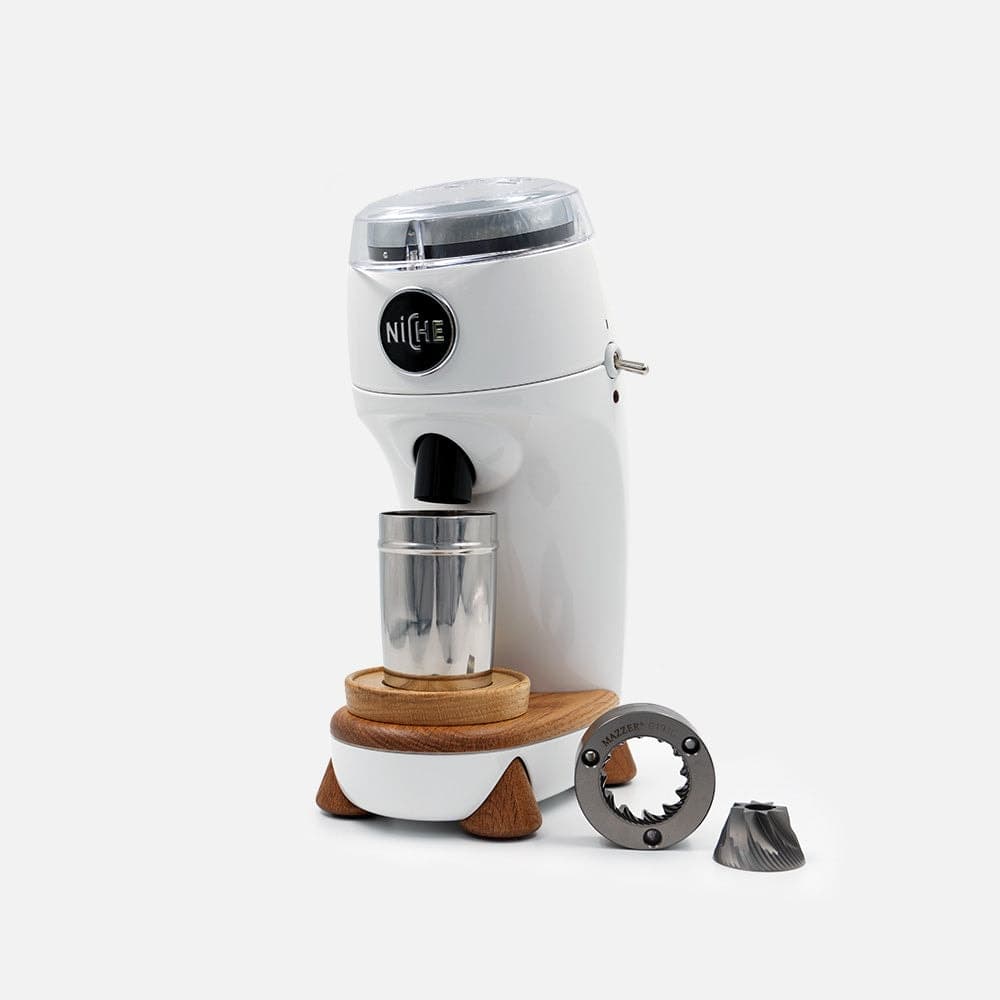
The Niche Zero is the obvious cheaper rival: a quiet conical single doser, widely owned. The Weber EG-1 is Weber's flagship, with 80 mm flat burrs and a filter-only burr option, at more than twice the price.
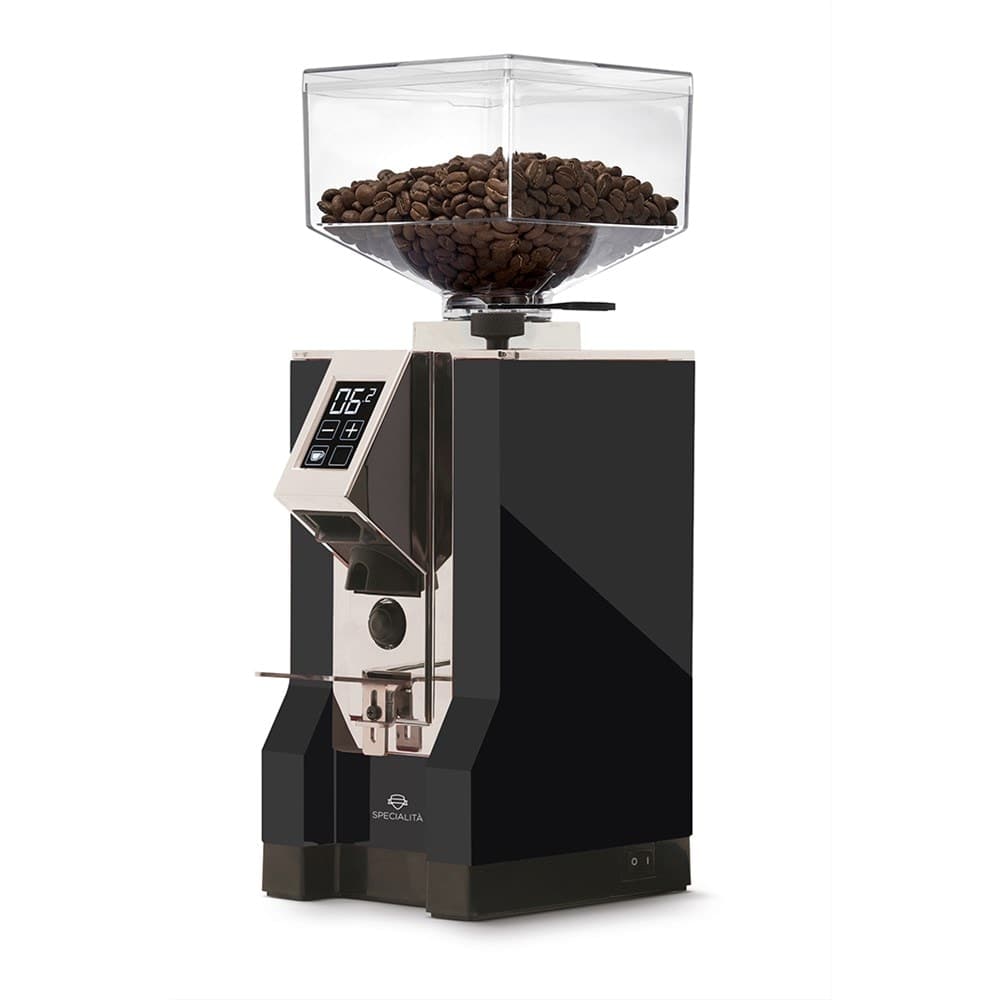
The Eureka Mignon Specialità is the grinder Kaffeemacher tested it against. It gave higher extraction yields and sweeter shots in that comparison, at a fraction of the price.
BrewMark doesn't publish a settings chart for the Key: its collar is read as rotation, division and sub-division from each unit's own zero, not on one numbered scale. Its settings page explains how to find a starting point on your own grinder. For mainstream references, see the DF64 Gen 2 and the Mahlkönig EK43.
Owning it
Weber includes the Magic Tumbler and lid, an air blower bellows, an RDT bottle and a stainless dosing cup. Weber says the updated tumbler has anti-static plates and a replaceable paper wiper. The burr grinder cleaning guide covers the general routine.
Weber rates the burrs for 5,000 kg of coffee. US orders ship from Colorado, and the product page does not state the warranty length, so ask before buying.
The settings chart on this page gives a starting point for each method.
Also worth a look
Sources
By Jeff Gluck · Checked 2026-10-21