
In brief
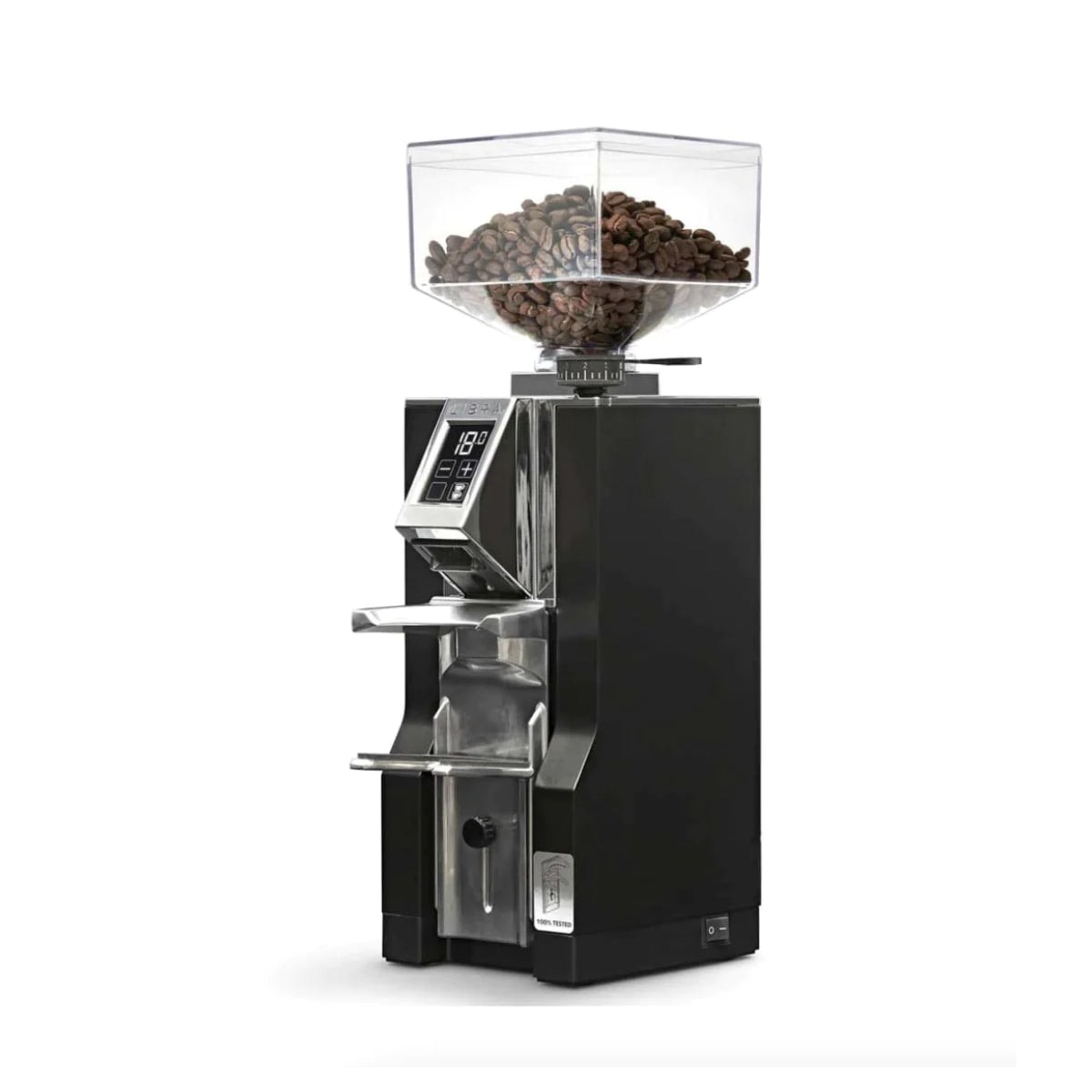
The Mignon Libra is a Mignon that grinds by weight. A load sensor in the portafilter fork weighs the grounds as they fall and stops the motor at your target. Seattle Coffee Gear calls it Eureka's first grinder designed to dose by weight.
Kaffeemacher, the German reviewer, sums it up as a Specialità with a scale. It uses the same 55 mm flat steel burrs, and Kaffeemacher found the espresso in the cup matched the Specialità.
The trade-off is fussiness at the fork. The scale has rules about what you put on it, and the chute needs a funnel to stay tidy. If those suit your routine, it removes a step from every shot.
What it does well
- Grinds by weight; Kaffeemacher found it reliably hit the target dose shot after shot
- Grinding stops at once if you pull the portafilter away, per Eureka
- Kaffeemacher measured 79.8 dB, relatively quiet for a home espresso grinder
- Stepless dial with a larger knob, which Kaffeemacher says makes adjustment easier
Where it falls short
- The scale needs at least 175 g on the fork, so light portafilters or cups may not register (Kaffeemacher)
- Kaffeemacher found grounds scatter without a dosing funnel, and you can't tap the portafilter mid-grind
- Seattle Coffee Gear advises reprogramming the dose after switching coffees
- Kaffeemacher recommends it for espresso only
Specs
- Type
- Electric, Flat burrs
- Burrs
- 55 mm flat, hardened steel
- Adjustment
- Stepless micrometric, bottom-burr adjust
- Dosing
- Grind by weight; ±0.2 g (Eureka's claim)
- Motor
- 310 W, 1,350 rpm
- Capacity
- 300 g hopper (510 g optional)
- Size
- 390 × 124 × 192 mm
- Weight
- 6.5 kg
- Retention
- 2.4 g (Kaffeemacher's measurement)
Where to start on the dial
Espresso 2.5
Every method on the settings chart →On this page · 5 sections
What it does well
Dose accuracy is the point. Eureka claims variation of ±0.2 g, and Seattle Coffee Gear's product guide repeats that figure. Kaffeemacher found it "reliably dispenses the target dose straight into your portafilter," and says the scale holds accuracy over time.
Grinding by weight changes the workflow. On a timed grinder, a grind change shifts the dose, so you retime it. Weighing the grounds is meant to remove that step.
Eureka says an anti-vibration system lets it finish the dose if bumped. Grinding stops at once if you pull the portafilter away, which limits spills.
It is quiet for the class. Kaffeemacher measured 79.8 dB and called that relatively quiet. It ground 20.2 g in about 10 seconds, which it rates upper-middle for home espresso grinders.
Kaffeemacher also likes the larger adjustment dial, borrowed from the Mignon XL. It makes small stepless moves easier for dialing in.
Where it falls short
The scale needs weight to wake up. Kaffeemacher reports a minimum of 175 g on the fork. Light portafilters or dosing cups may not trigger it, and some bottomless portafilters don't sit securely.
The chute does not aim at the centre of the basket. Kaffeemacher found grounds scatter without a dosing funnel. It notes Eureka now ships a funnel, and Eureka's page lists one as included.
You can't tap or settle the portafilter while it grinds, because that disturbs the reading. Seattle Coffee Gear also warns that very fluffy or dense coffees can shift the final weight. It advises reprogramming after switching coffees.
Kaffeemacher measured 2.4 g of retention. It recommends purging about 3 g after a grind change.
Who should buy it, and who shouldn't
Buy it if you pull espresso daily, usually from one coffee, and want doses right without a scale on the counter. It suits households where more than one person makes coffee.
Skip it if you brew filter. Replying to a reader, Kaffeemacher calls it purely an espresso grinder, since the dial needs several turns to reach filter. Skip it too if you switch beans often and weigh each dose anyway.
How it compares
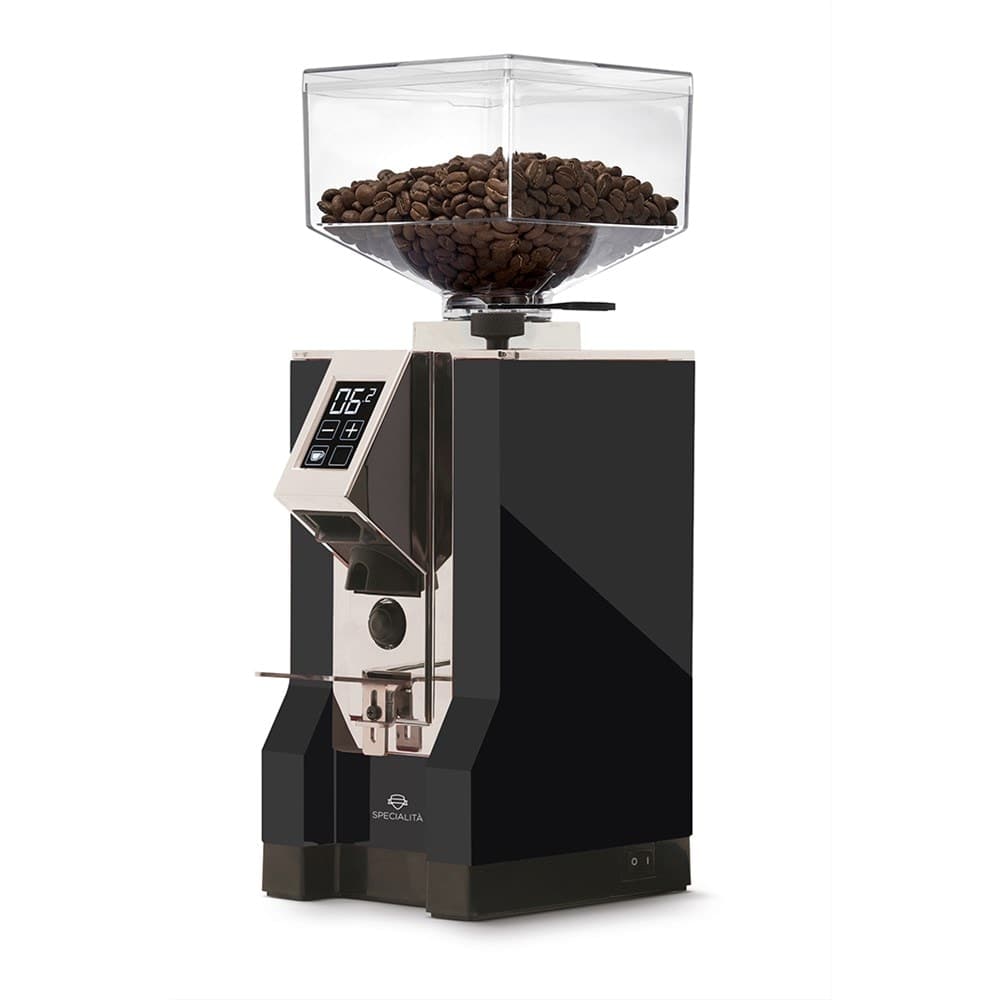
The Eureka Mignon Specialità shares the burrs and body but doses by time. If you already weigh beans before grinding, it gives you the same cup for less.
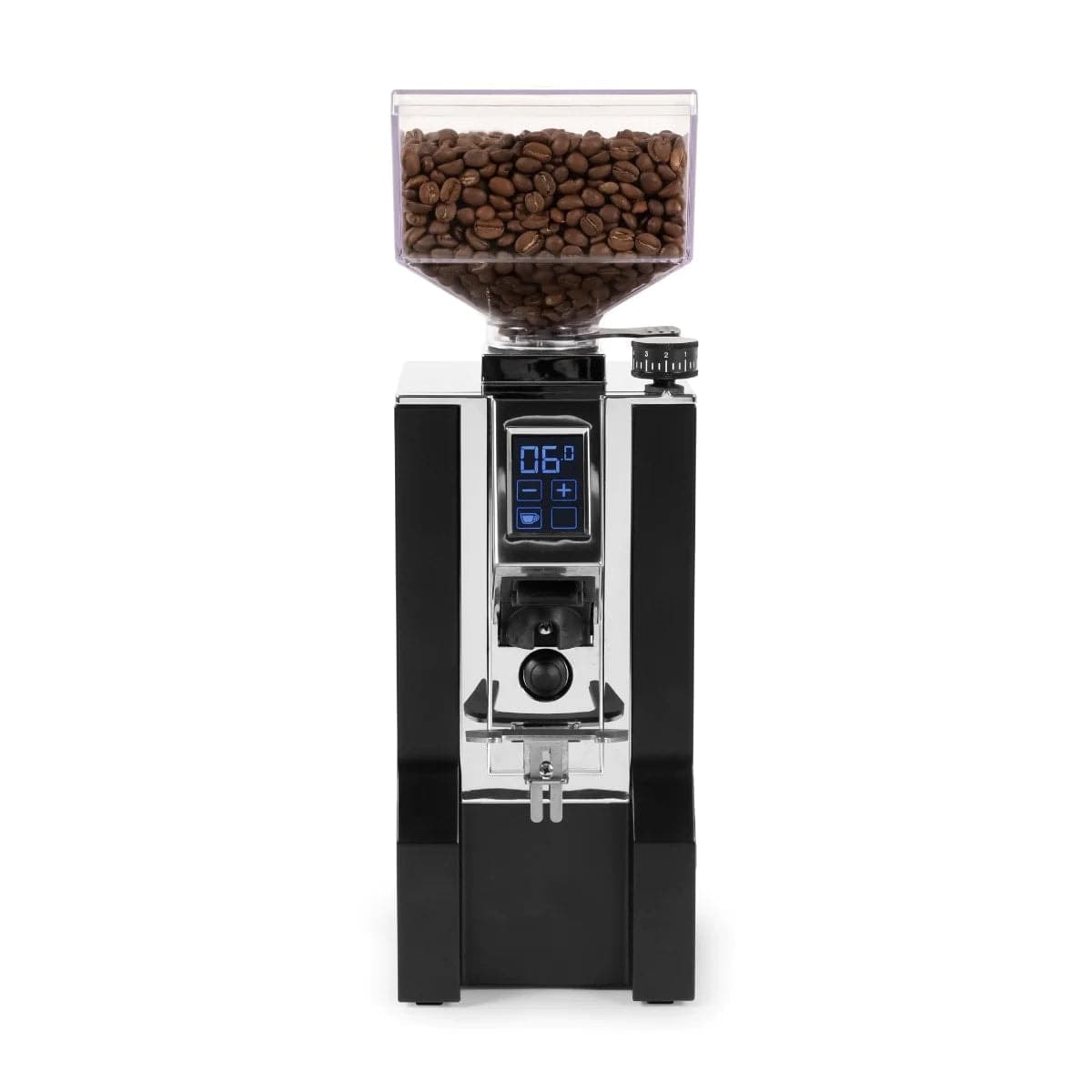
The Eureka Oro Mignon XL has 65 mm burrs and a 320 W motor, per Whole Latte Love, with programmed single and double doses. Choose between them on whether burr size or weighing matters more to you.
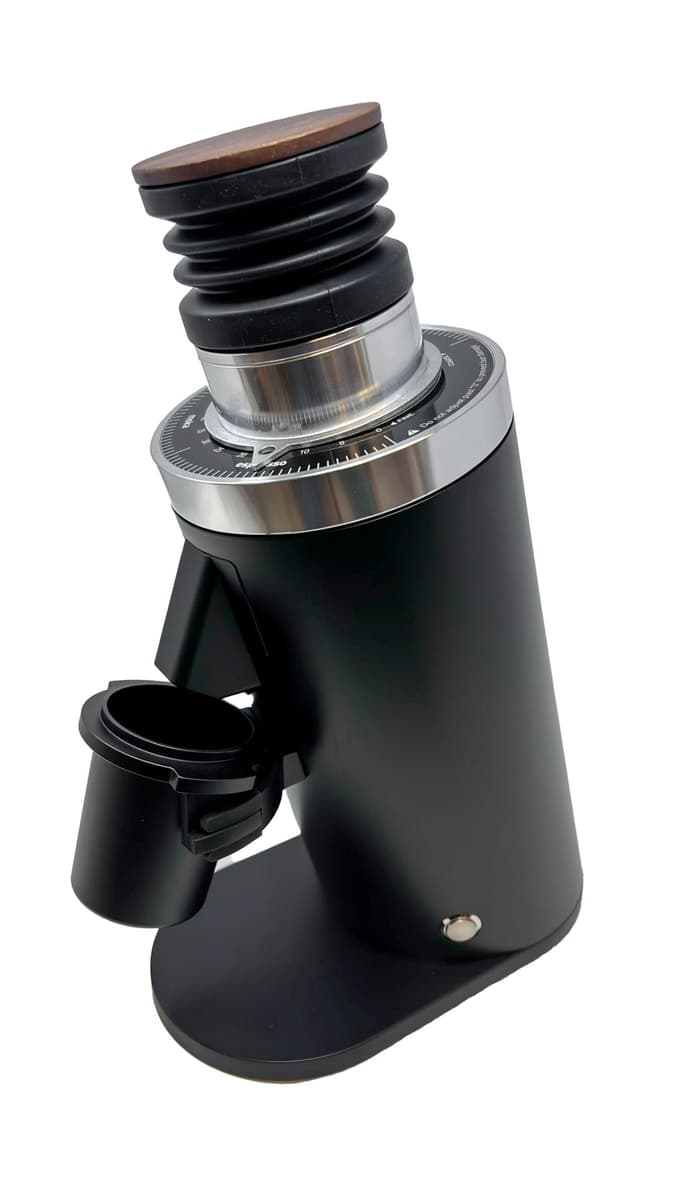
The DF64 Gen 2 takes the opposite approach to the same problem. You weigh the beans first, then grind them all. See DF64 Gen 2 vs Mignon Libra.
Owning it
Keep the scale platform clean. Seattle Coffee Gear warns that grounds under the fork can throw off readings. Brush the chute and fork daily and rinse the funnel.
The scale is factory-calibrated. If doses drift more than 0.5 g, Seattle Coffee Gear suggests cleaning, then recalibrating from the touchscreen menu.
Seattle Coffee Gear says the bottom-burr adjustment keeps you in the same grind range between cleanings.
Our guide to cleaning a burr grinder covers the routine, and replacing grinder burrs covers the later job. Eureka rates the burrs for 300 kg. Seattle Coffee Gear backs its units with a one-year warranty.
Start from the settings chart on this page, then fine-tune with dialing in a new grinder.
Also worth a look
Sources
- Eureka: Mignon Libra
- Seattle Coffee Gear: Eureka Mignon Libra Espresso Grinder
- Seattle Coffee Gear: Eureka Mignon Libra product guide
- Kaffeemacher: Eureka Mignon Libra review
- Whole Latte Love: Eureka Oro Mignon XL
By Jeff Gluck · Checked 2026-10-21