
In brief
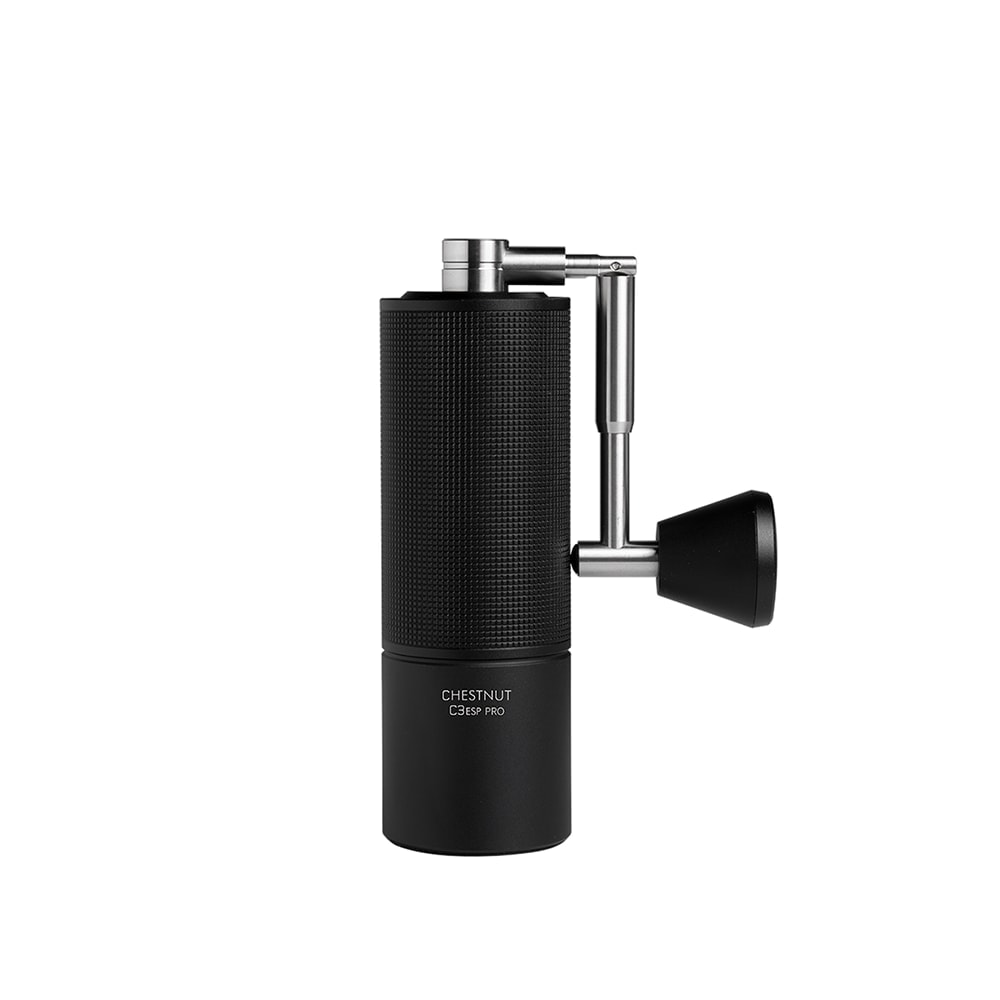
The C3 ESP Pro is the espresso version of Timemore's small Chestnut C3 hand grinder. It keeps the 38 mm stainless steel conical burrs and the aluminum body, and adds a numbered espresso dial and a pull-to-fold handle. Slow Pour Supply, which sells Timemore's range, lists the dial at 30 clicks per rotation and about 23 microns per click. The standard C3S dial it sits beside moves about 83 microns.
Timemore sells this version with the finer espresso dial and the pull-to-fold handle. The question for a buyer is how good the espresso end really is. Brew Coffee Home, the one independent review that covers this exact dial, calls it adequate and a clear step up from the standard C3, but not as precise as a pricier hand grinder.
Independent reviews that name the ESP Pro specifically are scarce. Most of what follows comes from the maker, a retailer's spec table and reviews of the C3S, the C3 and the C3 Pro that share its burr and body.
What it does well
- Espresso dial moves about 23 microns per click, far finer than the standard C3 dial, per Brew Coffee Home
- Brew Coffee Home calls the build quality 'excellent, too, particularly considering the price'
- Timemore sells it with an espresso grind dial and a pull-to-fold handle option
- Brew Coffee Home reports consistent grinds and espresso with good body
Where it falls short
- Brew Coffee Home says 23 microns still doesn't give quite enough control to perfect a shot
- Adjustment is internal, so you remove the catch cup and hold the handle to change it, per Brew Coffee Home
- Brew Coffee Home found the materials less robust than Timemore's Chestnut X
- Bluepick, reviewing the related C3 Pro, notes that the numbers are missing on that dial and settings must be counted from zero
Specs
- Type
- Hand grinder, Conical burrs
- Burrs
- 38 mm stainless steel conical (S2C660), per Slow Pour Supply
- Adjustment
- Numbered espresso dial, 30 clicks per rotation, about 23 microns per click
- Capacity
- 25 g maximum; Timemore also sells a 30 g catch cup
- Weight
- About 530 g
- Size
- 147 × 52 × 159 mm
- Body
- Aluminum alloy unibody, stainless steel burrs and shaft
- Power
- Hand, pull-to-fold handle
Where to start on the dial
Espresso 21 clicksAeroPress 36 clicksMoka pot 29 clicksPour-over 43 clicks
Every method on the settings chart →On this page · 5 sections
What it does well
It is a proper espresso hand grinder at a small size. Brew Coffee Home says the ESP dial suits a home espresso machine and produced shots with good body, which the reviewer compares to some electric grinders. It also notes the burrs give a consistent grind and grind espresso faster than the older C2.
The build is strong for the category. Brew Coffee Home calls the build quality "excellent, too, particularly considering the price," and lists aluminum and stainless steel construction, a silicone base and a foldable handle on the Pro models. Timemore describes the body as a single piece of aluminum alloy, finished for grip.
It travels. Slow Pour Supply gives the body as 147 × 52 × 159 mm at about 530 g, and the handle folds flat. That makes it one of the few espresso-capable hand grinders that fits easily in a bag. Timemore says the family grinds up to 30 g with its larger catch cup, though Slow Pour Supply lists 25 g as the maximum.
For filter coffee it behaves like the C3 family. Home Coffee Expert, reviewing the base C3, praised its grind consistency "for the price," with bright, sweet cups at pour-over settings. Slow Pour Supply's suggested ranges for this dial are 1.4 to 2.0 circles for pour-over and 2.0 to 2.3 circles for French press.
Where it falls short
Espresso fine-tuning is still coarse. Brew Coffee Home says 23 microns "doesn't quite offer enough control to perfect a shot," and sometimes had to adjust the dose to get the best yield. The reviewer judged it less precise than the 1Zpresso J-Max and similar higher-end hand grinders. If you chase one flavor note in a light roast, you will feel the step size.
The dial is inside. Brew Coffee Home notes you must remove the catch cup and secure the handle to change the setting, which is slower than an external dial when you are dialing in. Bluepick, reviewing the C3 Pro, says the dial there has no numbers, so you count clicks from zero to return to a setting. The ESP dial is numbered, per Slow Pour Supply, which helps.
Materials are not top tier. Brew Coffee Home found them less robust than Timemore's higher-end Chestnut X. Home Coffee Expert, on the base C3, mentions plastic parts that make it feel a little cheap and says the aluminum body is thinner than before and may dent if dropped.
Fine settings take effort. Bluepick reports resistance rising at finer espresso settings on the C3 Pro and says Timemore advises against going below 6 clicks on that model, because the burrs can be damaged. Check the manual for the ESP dial's own zero point before you turn it all the way in; our calibration guide explains the zero point.
Who should buy it, and who shouldn't
Buy it if you pull espresso on a modest home machine and also brew AeroPress or pour-over, and you want one small hand grinder for both. It also suits travel, thanks to the folding handle.
Skip it if espresso is your main hobby and you pull light roasts that punish coarse steps. A grinder with an external dial and finer clicks will make dialing in less of a chore. Skip it too if you only brew filter coffee; the C3S does that job for less.
How it compares
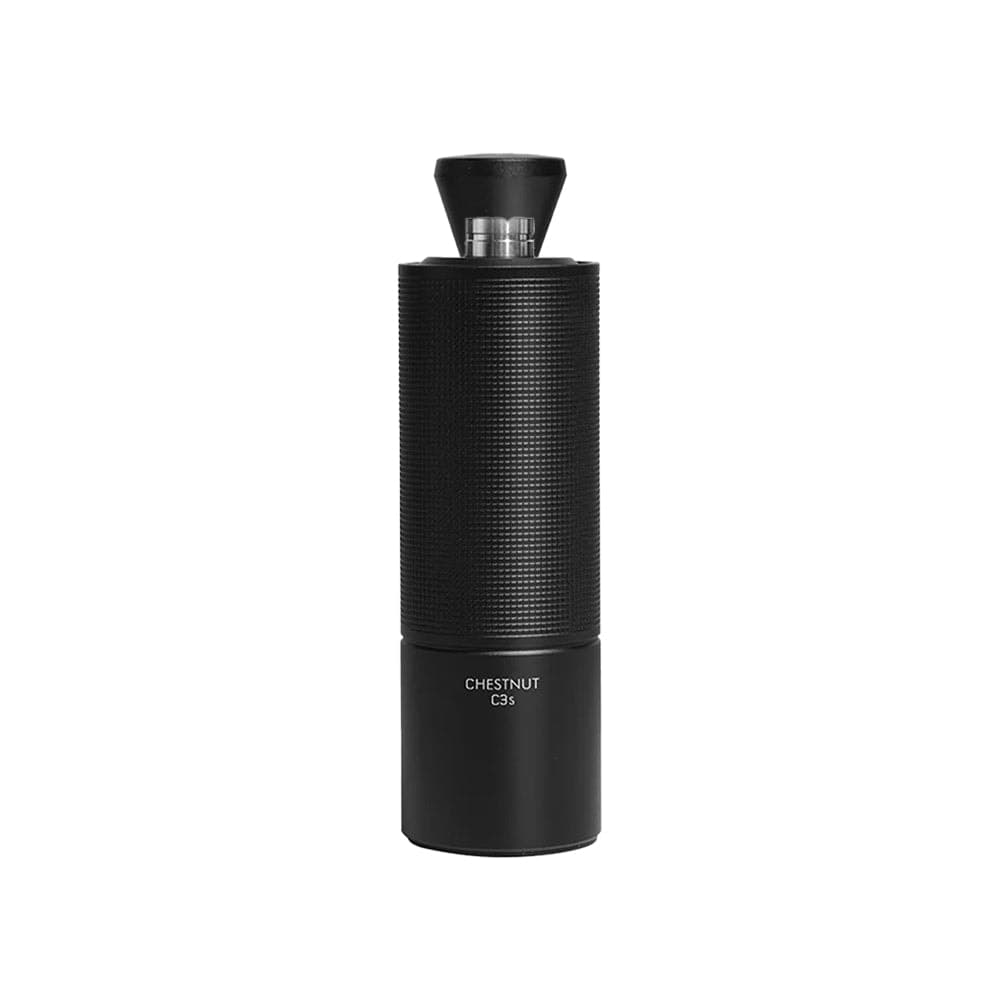
The Timemore C3S is the filter-first sibling. Brew Coffee Home recommends the C3S for filter and the C3 ESP for espresso, and says the Pro versions are only worth it for the foldable crank.
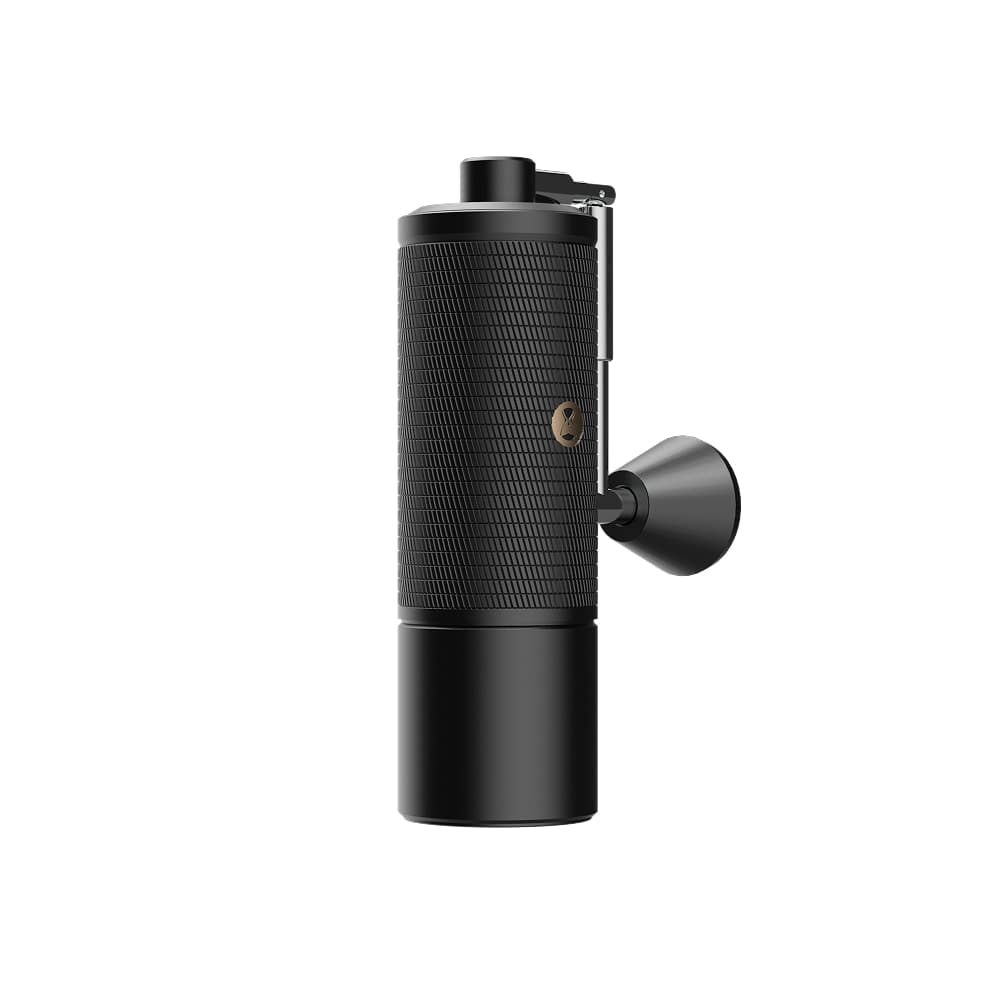
The Chestnut C5 ESP Pro is the step up inside Timemore's range, with a 42 mm burr and a dial that Coffee Chronicler puts at about 15 microns per click. Coffee Chronicler called its first-impressions C5 a clear step up from the C3 in cup quality.
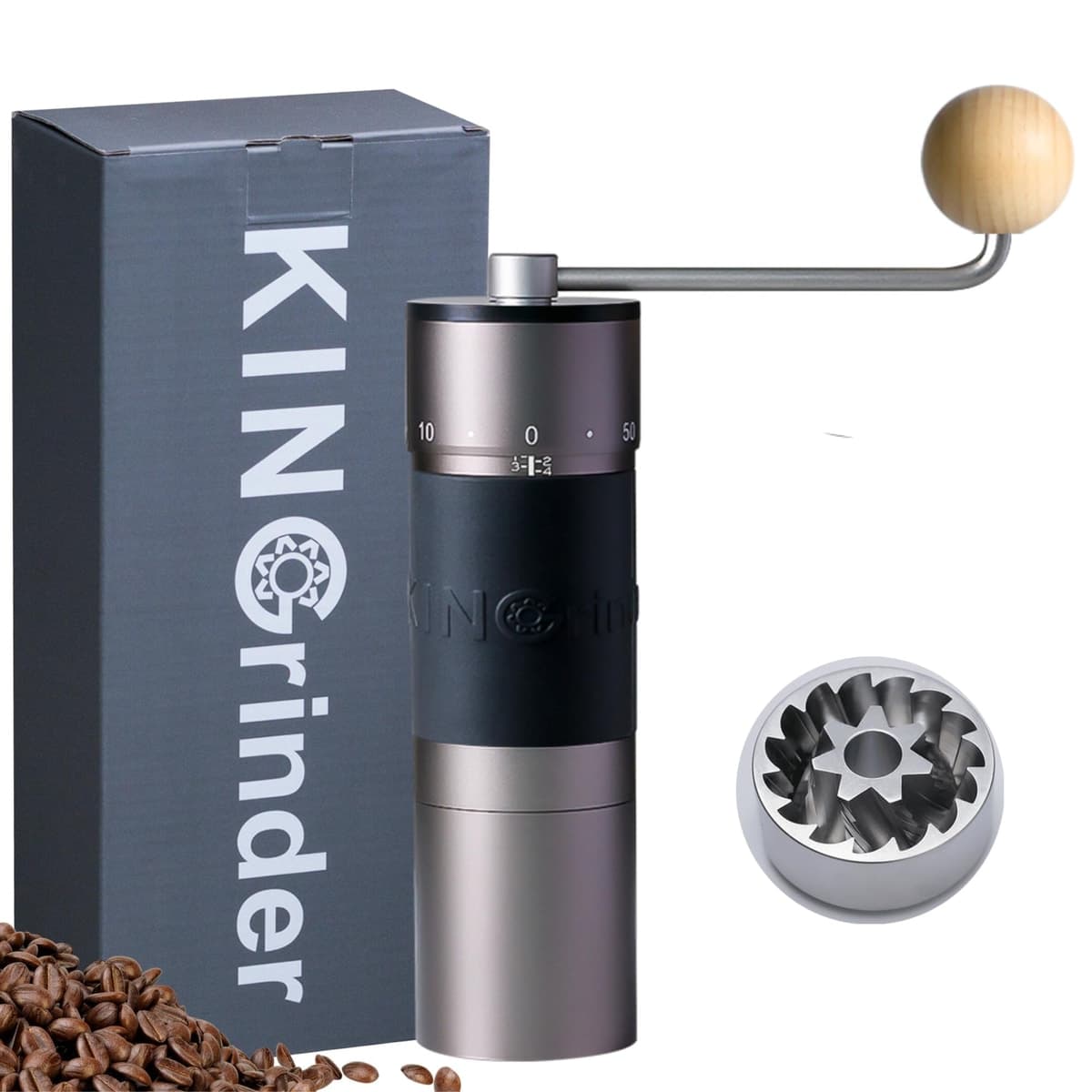
The KINGrinder K6 has an external dial and is the usual rival for people who want to adjust quickly. The 1Zpresso X-Ultra costs more and has finer clicks still.
Owning it
Keep water away from the burrs. Slow Pour Supply's note for the C5 series is to clean with a dry brush, and the same advice fits the C3 family. Our guide to cleaning a hand grinder covers the routine.
Expect to re-find your settings after any strip-down, because the internal dial depends on how you reassemble it. Timemore's store lists a return policy, and its C5 page lists a one-year warranty; confirm the terms for the C3 family at purchase.
Also worth a look
 KINGrinder K6External dial with finer clicks for espresso, from a different maker
 Timemore Chestnut C5 ESP ProTimemore's larger 42 mm burr with an even finer 15-micron espresso dial
 Timemore C3SSame burr and body with a filter-first dial; the cheaper pick if you skip espresso
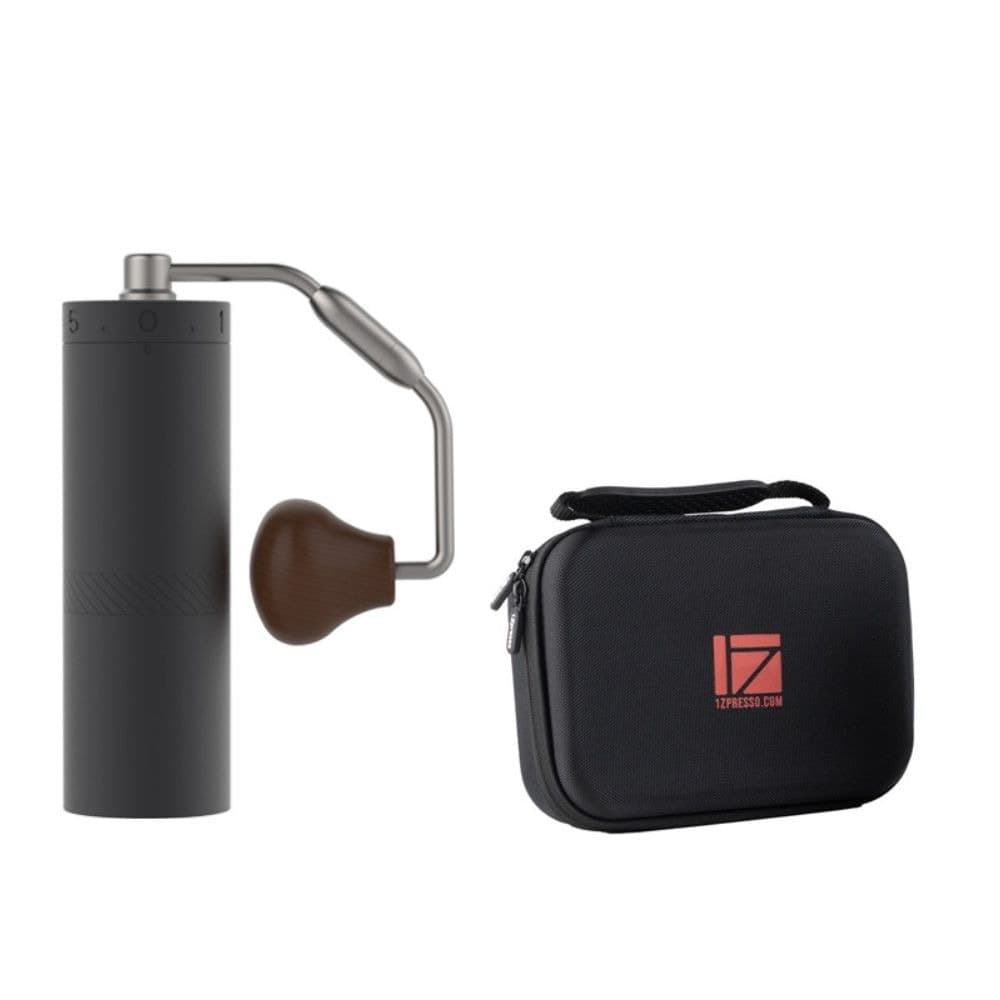 1Zpresso X-UltraAll-rounder with 12.5-micron clicks and an external dial
Sources
- Timemore: Chestnut C3 (store page)
- Slow Pour Supply: Timemore Chestnut C Series model comparison
- Brew Coffee Home: Timemore C3 Coffee Grinder Review, The C3S and C3 ESP
- Home Coffee Expert: Timemore C3 Review
- Bluepick: Timemore Chestnut C3 Pro
By Jeff · Checked 2026-10-22