
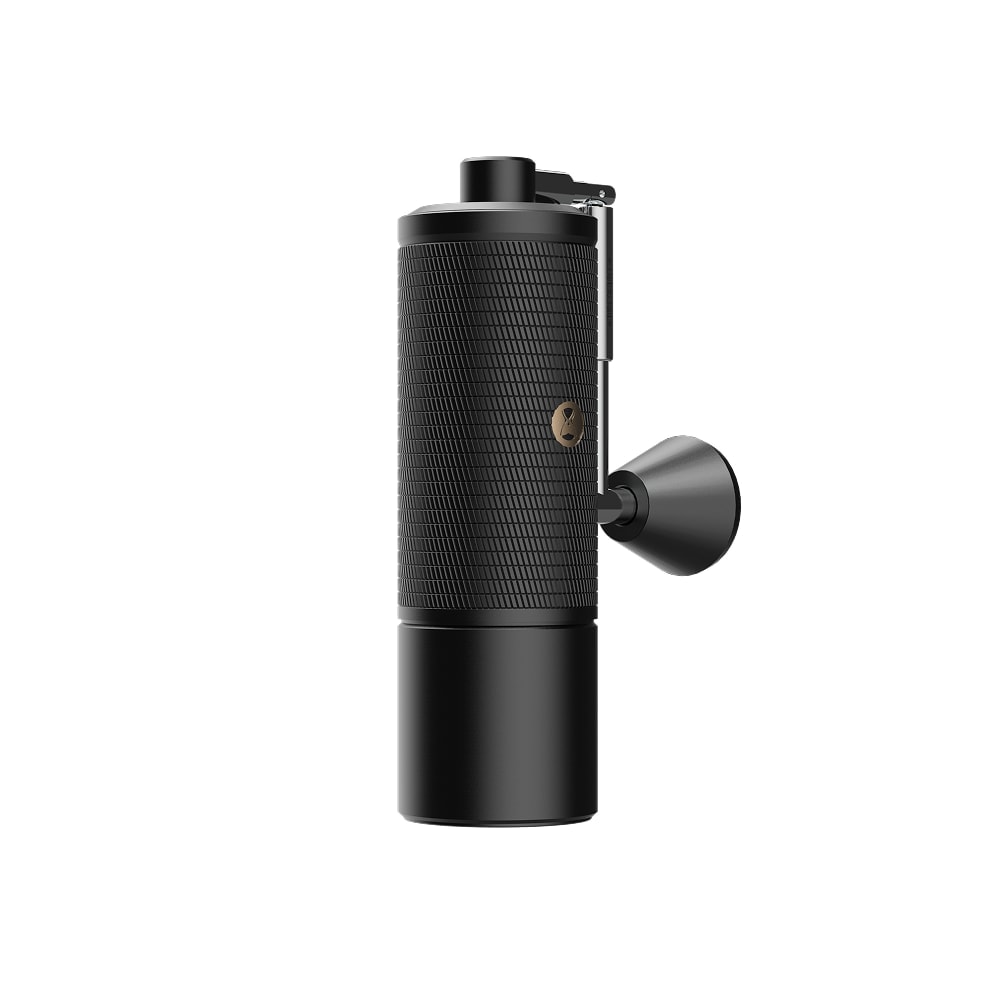
In brief
The C5 ESP Pro is the espresso version of Timemore's Chestnut C5. It shares the 42 mm seven-blade conical burr, the metal unibody and the folding handle of the C5 Pro, and changes the dial. Timemore's listing gives 0.015 mm per click and 50 clicks across three rotations, against 0.031 mm and 48 clicks in one rotation on the C5 Pro.
That finer step is the reason to buy it. Coffee Chronicler, which reviewed an early unit of the C5 line, puts the C5 and C5 Pro at 31 microns a click and the ESP Pro at 15, a stepped dial "with more numbers."
Independent reviews of the ESP Pro are scarce. Coffee Chronicler's first-impressions piece covered the standard C5 and described the ESP Pro from its spec sheet. Most of what follows is from Timemore, Slow Pour Supply's spec table and that review.
What it does well
- Dial moves 0.015 mm a click, about half the C5 Pro's step, per Timemore
- Coffee Chronicler liked the flavor and texture of its espresso
- Coffee Chronicler's blind pour-over test put the C5 well ahead of the C3 on one coffee
- Rigid aluminum unibody, folding handle and a 3-click zero buffer, per Timemore
Where it falls short
- Coffee Chronicler found espresso painfully slow, about two minutes for 18 g
- Coffee Chronicler says the burr still lacks some sparkle of higher-tier burr sets
- Adjustment is internal under the burr, not an external dial, per Coffee Chronicler
- Coffee Chronicler found the printed grind ranges off for both espresso and pour-over
Specs
- Type
- Hand grinder, Conical burrs
- Burrs
- 42 mm seven-blade conical (S2C-042-III)
- Adjustment
- Internal stepped dial, 50 clicks, 0.015 mm per click, three rotations of range
- Capacity
- 30 g grind chamber, 25 g catch cup
- Weight
- About 640 g, per Timemore
- Size
- Φ53 × 172 mm
- Body
- Stainless steel and aluminum unibody
- Warranty
- One-year warranty (Timemore)
- Power
- Hand, pull-to-fold handle
Where to start on the dial
Espresso 40 clicksPour-over 67 clicksAeroPress 61 clicksMoka pot 55 clicks
Every method on the settings chart →On this page · 5 sections
What it does well
The dial is fine enough for espresso. At about 15 microns it is roughly twice as fine as the C5 Pro's step, and much finer than the 23 microns Brew Coffee Home reports for Timemore's smaller C3 ESP. Coffee Chronicler liked the flavor and texture of its espresso, though it needed finer settings than the printed range.
It makes decent filter coffee too. In Coffee Chronicler's blind pour-over lineup, the C5 made the most delicious cup in the first round, well ahead of the C3. The reviewer concluded it is a big step up from the C3 for pour-over, though not as good as the Chestnut S3.
The build is stronger than the C3 line. Coffee Chronicler found the plastic stabilizer gone and a rigid aluminum unibody in its place, with smooth bearings, rubber under the catch cup and a numbered dial. Timemore lists an XL inlet, a grippy silicone base and a 3-click buffer as a practical zero point to protect the burrs.
It packs away. Timemore lists Φ53 × 172 mm, about 640 g, and a pull-to-fold handle, with a 30 g grind chamber and a 25 g catch cup.
Where it falls short
Espresso takes a long time. Coffee Chronicler called it "painfully slow for espresso," about 1:50 to two minutes for 17 to 18 g, and said the burrs are not very aggressive. If you grind a shot every morning, that adds up.
Flavor is good, not top tier. Coffee Chronicler found it still lacks some of the sparkle of higher-tier burr sets, and in a second pour-over round the C5 developed a drying finish as it cooled. The reviewer has not found a clear pattern.
The dial sits inside the grinder. Coffee Chronicler describes adjustment under the burr, with legible numbers, rather than on an external dial. You can see the numbers, but changing method still means opening things up.
Printed ranges miss. Coffee Chronicler needed settings of about 4 to 5 for espresso on a 58 mm basket, against the printed range, and 15 to 17 for pour-over. Slow Pour Supply notes light-roasted, dense single-origin beans may be harder to grind by hand on this series.
Who should buy it, and who shouldn't
Buy it if you want one small hand grinder for espresso and pour-over, travel with it, and are happy to wait a couple of minutes for a shot.
Skip it if you pull espresso every day and want speed and quick dialing in. Skip it too if you are shopping on flavor alone; Coffee Chronicler places the Chestnut S3 above the C5.
How it compares
The KINGrinder K6 and the 1Zpresso X-Ultra both have external dials and sit at similar or slightly higher cost; Coffee Chronicler names the K6 as a real competitor to the C5 line. The 1Zpresso J-Ultra is the espresso-first step up, with an 8-micron external dial.
Inside Timemore's range, the C3 ESP Pro is the smaller option with a 23-micron espresso dial, and the C5 Pro is the filter version of this grinder.
Owning it
Keep water away. Slow Pour Supply's note for the C5 series is to clean with a dry brush and not to wash the grinder. Our guide to cleaning a hand grinder covers the routine.
Timemore's store page lists a one-year warranty and seven-day returns. Use our calibration guide to re-find your zero after a strip-down.
Also worth a look
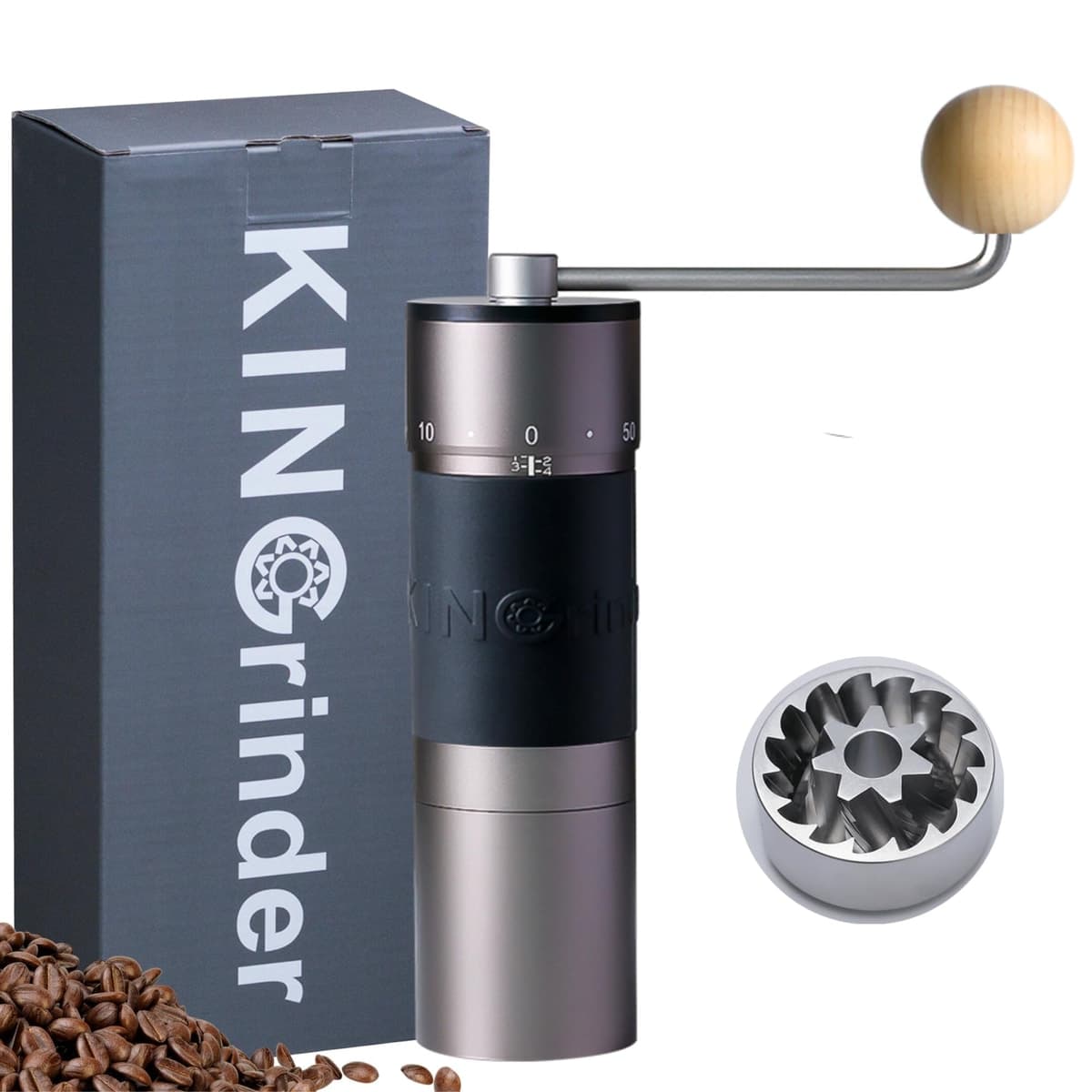 KINGrinder K6External dial and 16-micron clicks, which Coffee Chronicler names as a rival at this price
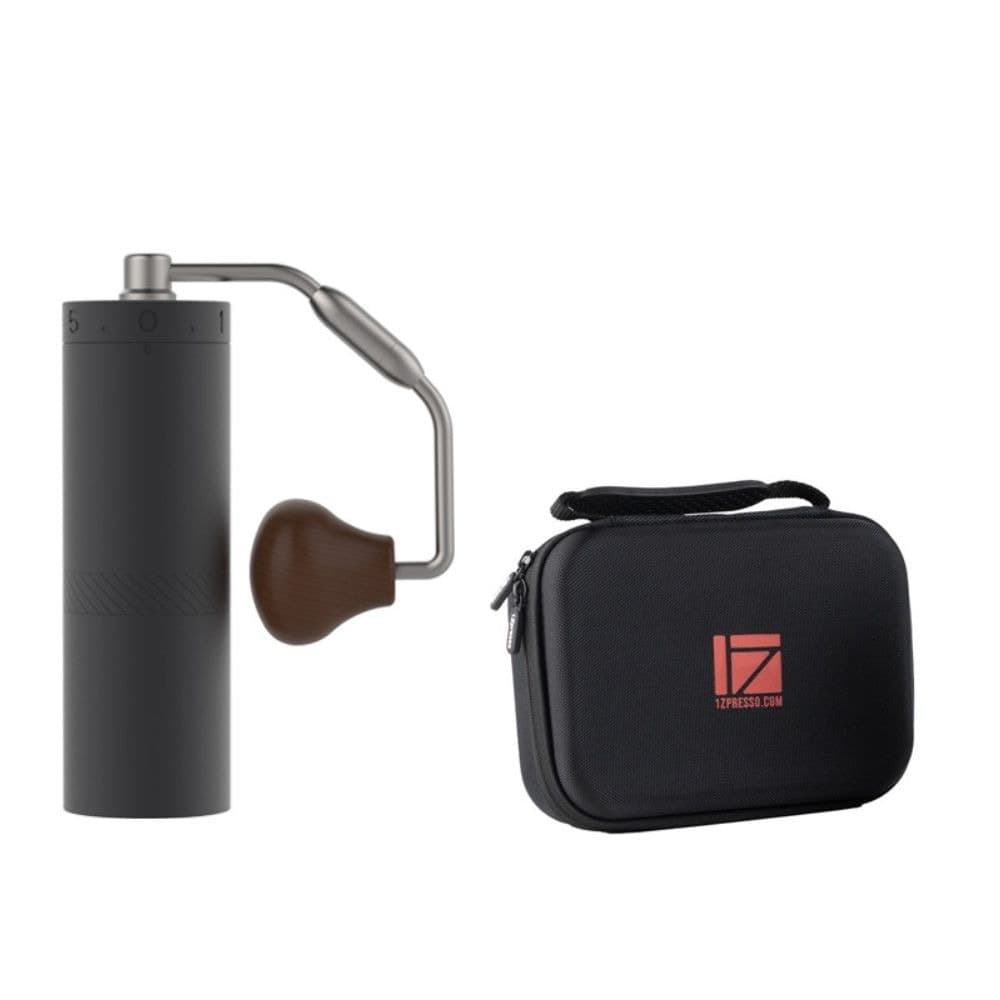 1Zpresso X-UltraAll-rounder with an external dial and 12.5-micron clicks
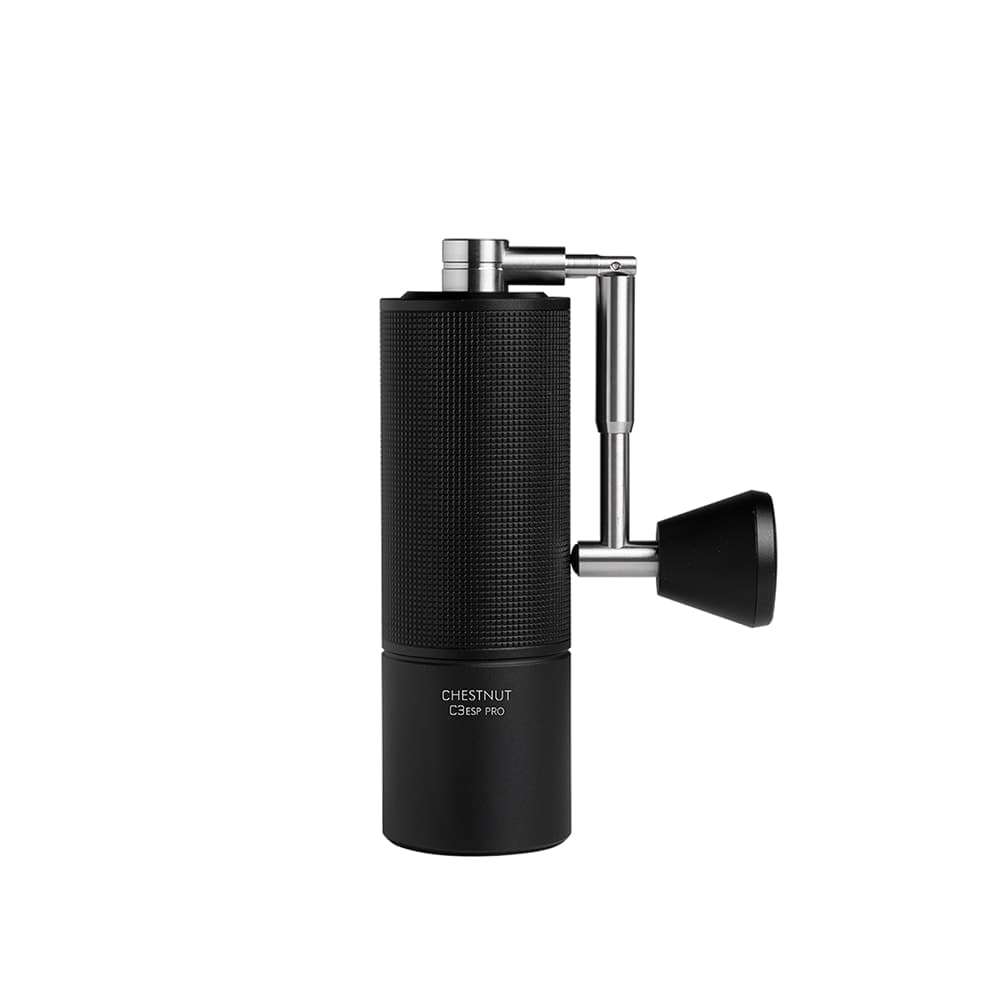 Timemore Chestnut C3 ESP ProSmaller 38 mm sibling with a coarser 23-micron espresso dial
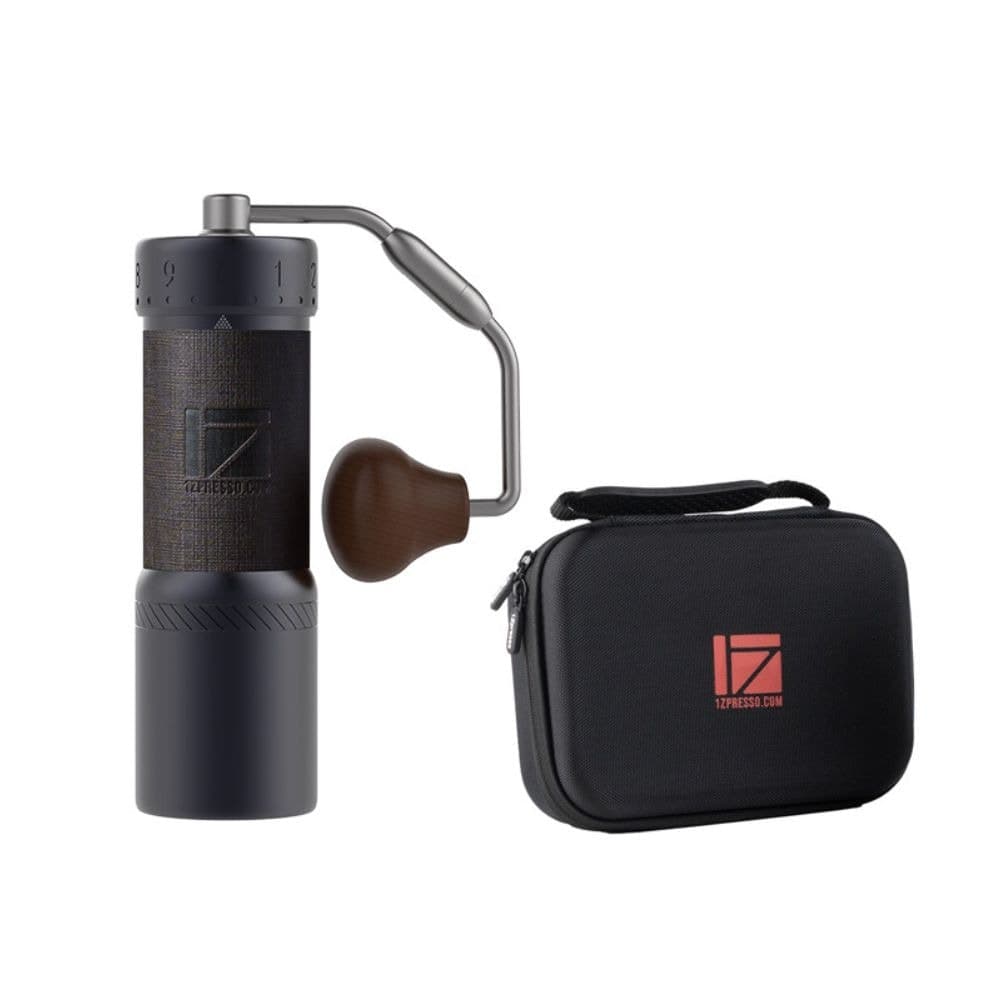 1Zpresso J-UltraFiner 8-micron external dial and the espresso pick among hand grinders
Sources
- Timemore: Chestnut C5 series (store page)
- Coffee Chronicler: Timemore C5, Review and First Impressions
- Slow Pour Supply: Timemore Chestnut C Series model comparison
- Brew Coffee Home: Timemore C3 Coffee Grinder Review, The C3S and C3 ESP
By Jeff · Checked 2026-10-22