
Which to buy · Every setting
DF64 DF64 Gen 2 vs Fellow Ode Gen 2
Two grinders cross-shopped at the same money. The Ode Gen 2 is numbered 1–11; the DF64 Gen 2 is numbered 0–90.
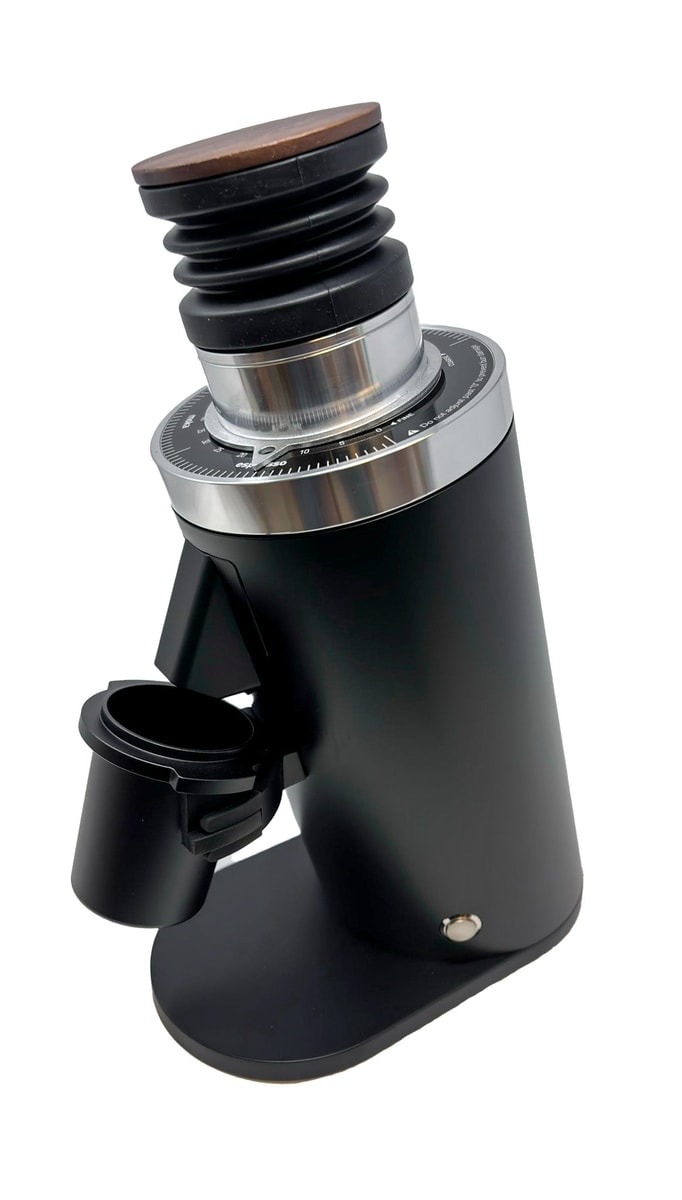
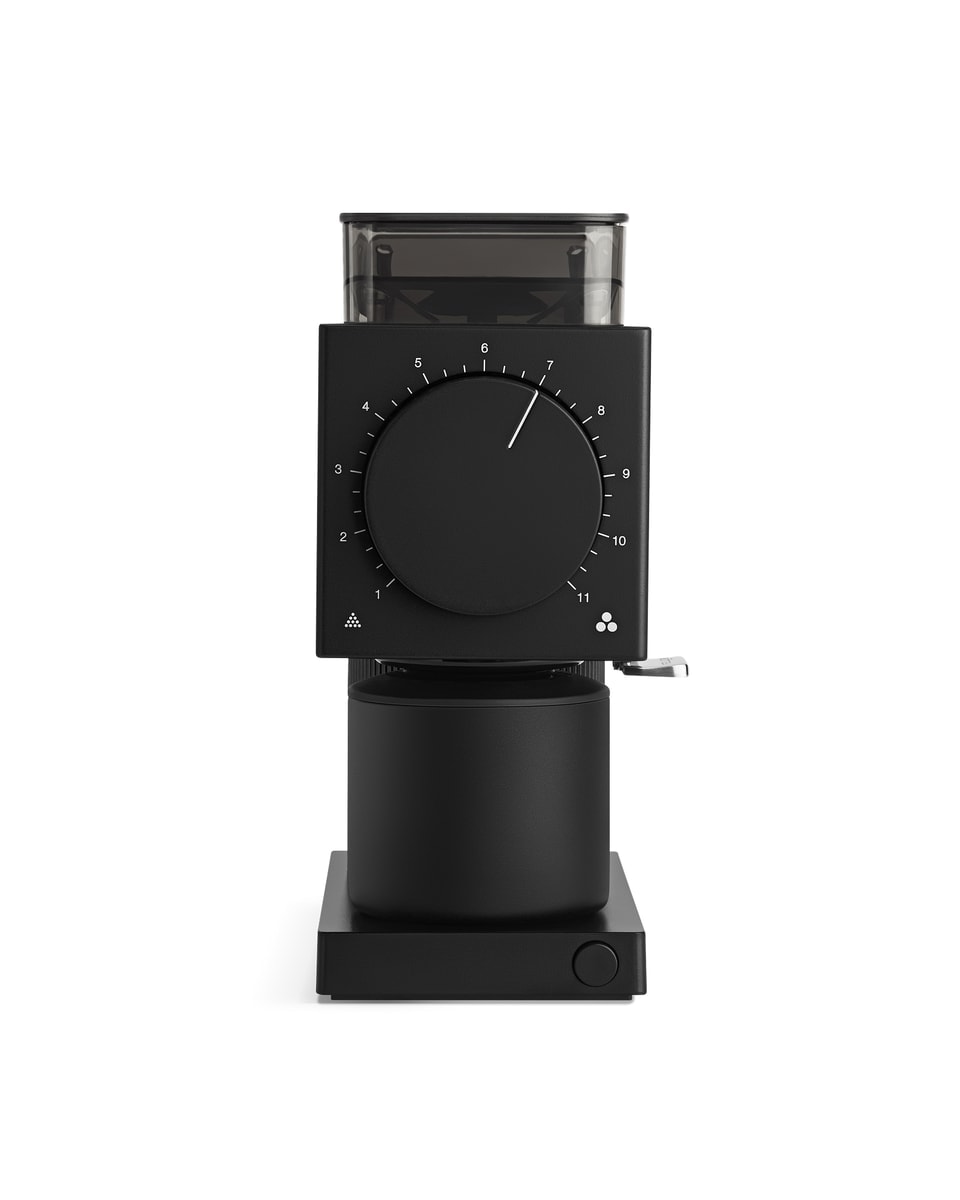
Which to buy
Choose the
DF64 Gen 2 if you…
- want espresso as well as filter — Turin says the burrs cover both
- want stepless adjustment
- single-dose, and want bellows and a plasma ion generator for static
Choose the
Ode Gen 2 if you…
- brew filter only — Fellow says the Ode is not intended for espresso
- want a stepped dial — 11 settings, 31 steps in all
- grind up to 100 g at a time, with an automatic stop
Shop links are affiliate links: BrewMark earns a commission if you buy through one, at no extra cost to you. The verdicts were written without regard to it.
Turin now sells this as the DF64 Gen 2.7; the 'Gen 2' revision names vary by seller.
Sources: Fellow — Ode Gen 2 · Turin — DF64 Gen 2.7
| DF64 Gen 2 | Ode Gen 2 | |
|---|---|---|
| Brand | DF64 | Fellow |
| Scale | Numbered dial | Numbered dial |
| Dial range | 0 – 90 | 1 – 11 |
| Burrs | Flat | Flat |
| Espresso → filter | 55.2 numbers | 5.9 numbers |
| Filter → coarse | 22.3 numbers | 3.9 numbers |
The same number means different things
Both grinders use a numbered dial, which makes it tempting to copy a number straight across. Setting 6 sits at grind index 0 on the DF64 Gen 2 but 34.4 on the Ode Gen 2 — far enough apart to change the cup.
Converting a setting
If a recipe quotes a setting for one of these grinders, read across for the equivalent on the other. Rows are spaced evenly by grind size, not by dial number — on a conical burr those are not the same thing.
| DF64 Gen 2 | Ode Gen 2 |
|---|---|
| 12.4 | 1 |
| 20.8 | 2 |
| 30.3 | 3.1 |
| 43.6 | 4.2 |
| 56.9 | 5.2 |
| 67.9 | 7 |
| 69.4 | 7.2 |
| 70.9 | 8 |
| 72.4 | 8.2 |
| 75.8 | 9.1 |
| 80.5 | 9.2 |
| 85.2 | 10.1 |
| 89.9 | 10.2 |
| Ode Gen 2 | DF64 Gen 2 |
|---|---|
| 1 | 12.4 |
| 2 | 20.8 |
| 3.1 | 30.3 |
| 4.2 | 43.6 |
| 5.2 | 56.9 |
| 7 | 67.9 |
| 7.2 | 69.4 |
| 8 | 70.9 |
| 8.2 | 72.4 |
| 9.1 | 75.8 |
| 9.2 | 80.5 |
| 10.1 | 85.2 |
| 10.2 | 89.9 |
Side by side, by brew method
Where each grinder lands for the same brew, worked out from its own dial curve.
| Method | DF64 Gen 2 | Ode Gen 2 |
|---|---|---|
| Espresso | 17.5 | 1.2 |
| Moka pot | 27.6 | 3 |
| AeroPress (short steep) | 35 | 4.2 |
| Pour over — V60 / cone | 64.4 | 6.2 |
| Siphon | 68 | 7 |
| Pour over — flat bottom | 68.5 | 7.1 |
| Steep and release — Clever / Switch | 69 | 7.1 |
| Drip / batch brew | 69.4 | 7.2 |
| Cupping | 69.8 | 7 |
| Chemex | 70.8 | 8 |
| French press | 74.1 | 9 |
| Cold brew | 83.1 | 10 |
The shape of each dial
Where the connectors bunch, that grinder’s dial is compressed and single steps count for more. Comparing the two shapes tells you which gives finer control, and where.
DF64 DF64 Gen 2
Fellow Ode Gen 2
Dialing in the DF64 Gen 2
A 64mm flat-burr single-dose grinder that became popular precisely because it puts commercial burrs at a domestic price. Espresso is the design centre; the burr choice you fit matters more to grind character than the dial does.
Dialing in the Ode Gen 2
A flat-burr brew grinder that deliberately does not attempt espresso, and is better for the focus. The Gen 2 burrs cut fines substantially versus the original, which is why its filter range sits in a narrower band than the number of settings suggests. The markings between whole numbers are real and worth using — most of the useful pour-over territory lives between two adjacent integers.